
IMAV offers a unique mix of a competition and a conference. This year, we will take part in the indoor competition in a joint team with the start-up XOSight, as well as present 4 papers.

Micro Air Vehicle Lab – TUDelft
IMAV offers a unique mix of a competition and a conference. This year, we will take part in the indoor competition in a joint team with the start-up XOSight, as well as present 4 papers.
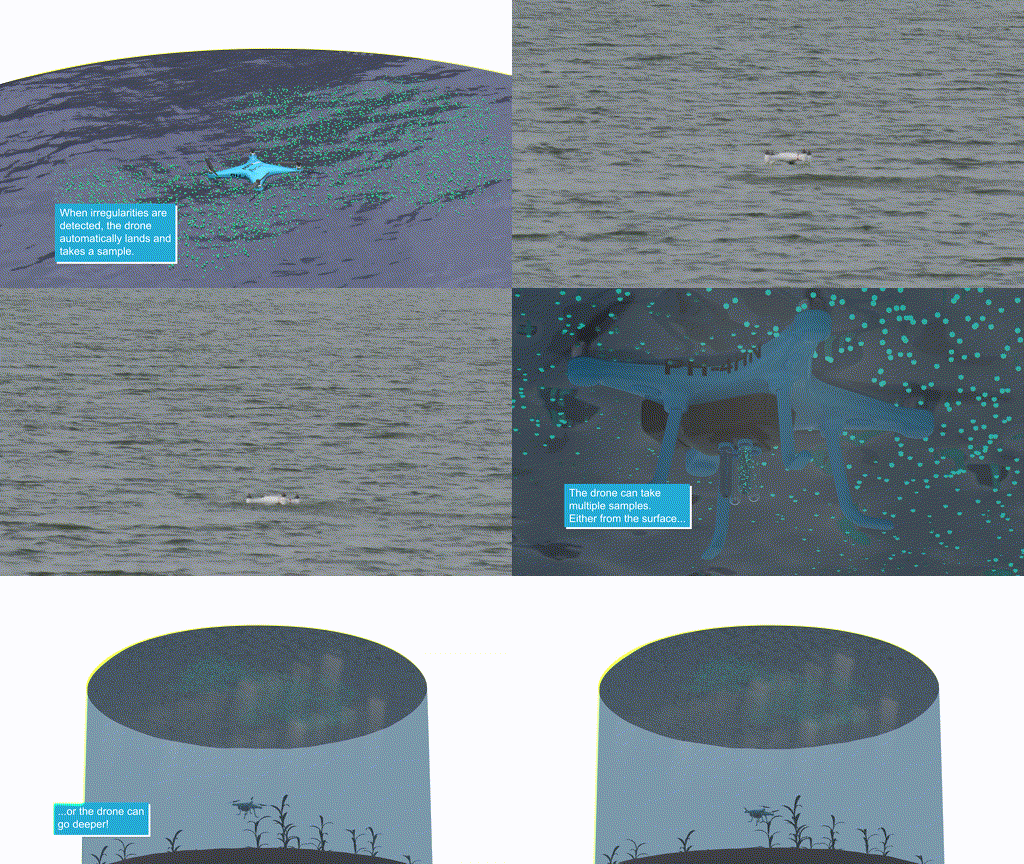
researchers from TU Delft have developed a ‘pelican drone’: a drone capable of taking water samples quickly, in combination with a measuring instrument that immediately analyses the water quality.
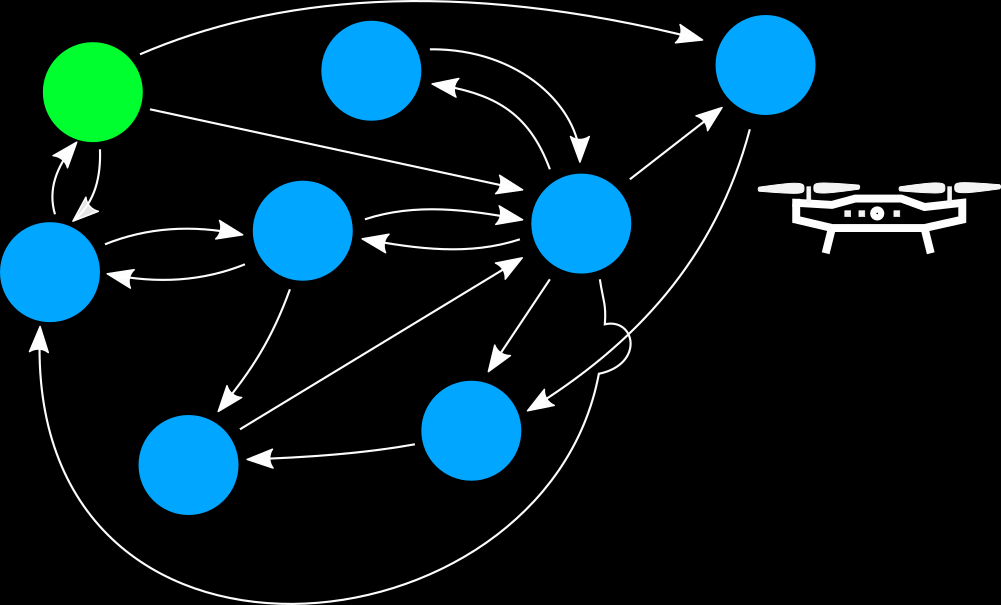
Our latest paper uses the Google PageRank algorithm to evaluate and optimize the behavior of swarms in a computationally efficient way, aimed at making swarms that are scalable, flexible, and robust.
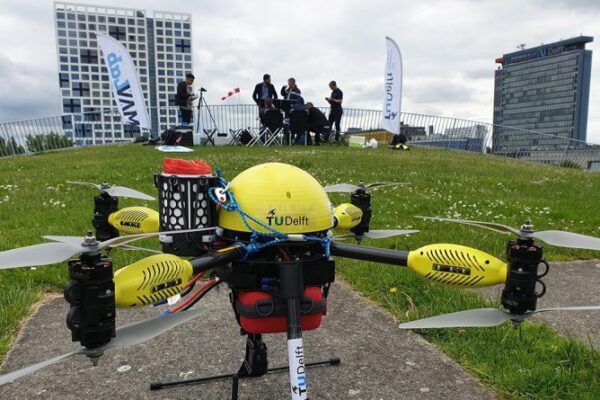
NOS.nl (national news agency in the Netherlands) – Een luchtruim vol drones – hoe organiseer je dat? Video-item: https://nos.nl/video/2291677-hoe-ontwijkt-de-ene-drone-de-andere-als-het-vol-wordt-in-het-luchtruim.html 8PM news item https://nos.nl/uitzending/42752-nos-journaal.html at 09:55 BNR (Business …
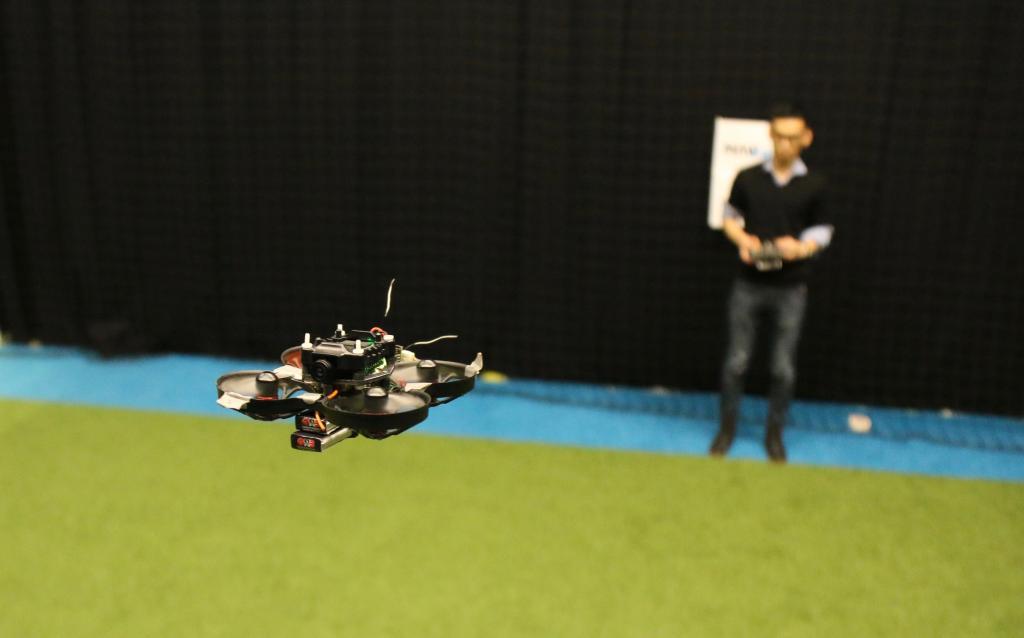
The drone racing team of the MAVLab has presented the currently smallest autonomous racing drone in the world.

We are happy to announce that we are one of the 9 selected teams for the 2019 AlphaPilot Innovation Challenge!

TU Delft scientists have uncovered how deep neural networks see distances in a single image. They report on their findings in an article on the public Arxiv repository.
Dr. ir. Guido de Croon was featured on an article in the major Dutch newspaper, “de Volkskrant”, wherein he discussed the possibilities of learning about …
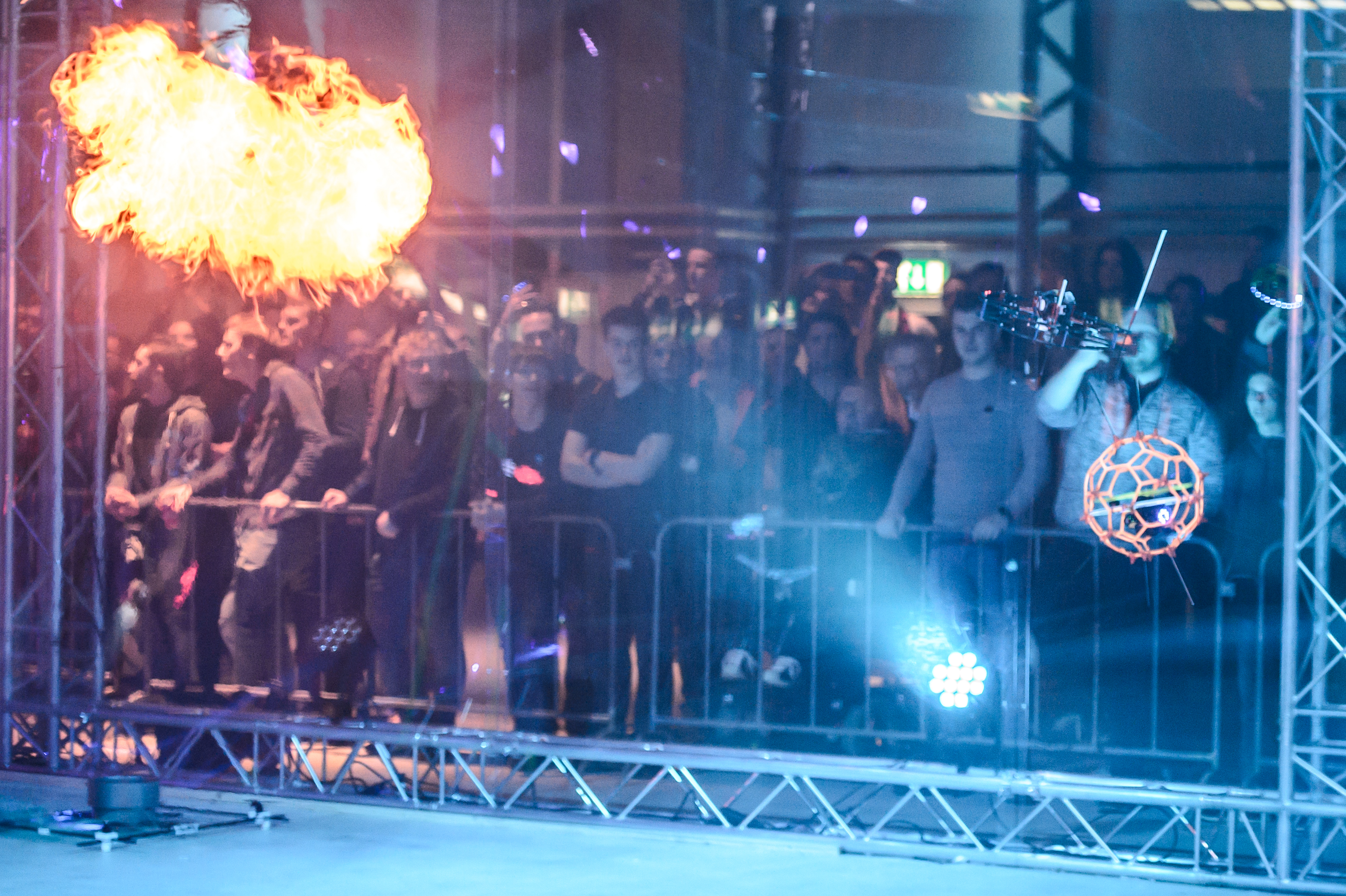
Saturday March 16th 2019: heavy rain and strong winds. No matter for the 500 odd people who gathered in Katwijk’s Hangar 2 for DroneClash 2019.

How do you take down a drone? This is the question being asked at DroneClash 2019 next Saturday 16th March.